

I’ll be honest — the first time I winterized my travel trailer, I had no idea how much preparation went into it. I assumed it was as simple as draining the water lines and covering the tires. But after one very cold night that left my water pump frozen solid, I quickly learned the importance of proper winter maintenance.
Whether you’re planning to store your trailer until spring or travel through snowy conditions, a solid winter maintenance checklist is the key to protecting your investment. Cold temperatures, moisture, and road salt can cause long-term damage if not handled properly — but with the right routine, your trailer will stay in great shape all season long.
In this post, I’ll walk you through a complete, step-by-step winter travel trailer maintenance checklist, including personal tips, must-do tasks, and a few handy products that make the process easier and more effective.
🧊 Step 1: Inspect and Seal Your Exterior
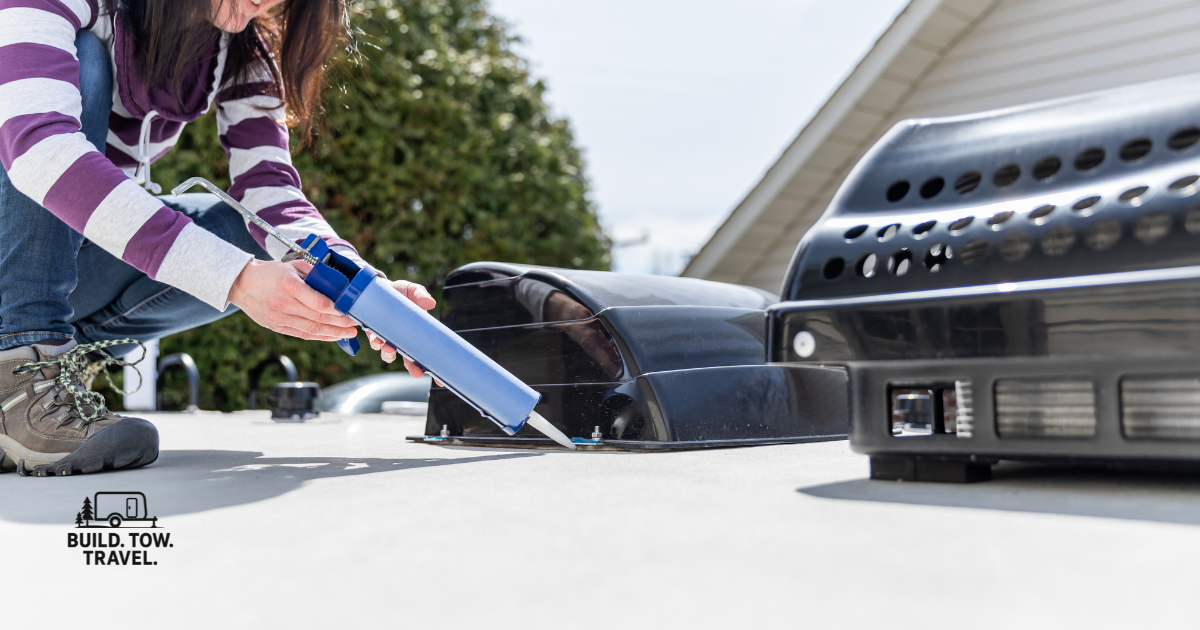
Before temperatures drop, give your trailer a thorough inspection. Look for any cracks, gaps, or worn-out seals around windows, doors, vents, and roof seams. Even the smallest opening can let in moisture — which leads to leaks, mold, or insulation damage.
What to check:
- Roof and seams: Look for dried caulk or cracked sealant.
- Windows and doors: Ensure gaskets are intact and tight.
- Exterior lights and vents: Clean and reseal if necessary.
- Undercarriage: Check for corrosion or road salt buildup.
If you plan to travel during winter, give the underbody a rinse regularly to remove salt that can cause rust. For those parking long-term, consider using a breathable cover that protects against snow but allows moisture to escape.
💧 Step 2: Drain and Winterize Your Water System
One of the most crucial steps in winter trailer prep is preventing frozen pipes. Water expands when it freezes — and that expansion can burst lines, fittings, or tanks.
Here’s how to protect your system:
- Drain all fresh, gray, and black water tanks completely.
- Open faucets and low-point drains to remove remaining water.
- Bypass the water heater.
- Use non-toxic RV antifreeze in your plumbing lines if storing in freezing temperatures.
For travelers still on the move during winter, consider adding heat tape or foam insulation to exposed water lines and keeping your interior warm overnight.
The U.S. National Weather Service offers helpful regional data on freezing temperatures, which can help you time your winterization before the first hard frost.
🔋 Step 3: Maintain Your Battery and Electrical System
Cold weather can drastically reduce your trailer battery’s performance. If your trailer will be stored, disconnect the battery and store it in a warm, dry place. For full-time travelers, check your voltage regularly — a low battery in freezing temperatures can quickly fail.
Battery maintenance checklist:
- Clean corrosion from terminals.
- Fully charge before storage.
- Keep batteries above 12.4 volts.
- Use a trickle charger or solar panel to maintain charge levels.
If your trailer has a solar system, wipe panels clean of snow and debris. For extended stays in one location, a simple solar blanket or panel cover can help protect from ice buildup without affecting function
Step 4: Clean and Protect the Interior
Winter maintenance isn’t just about mechanics — your trailer’s interior deserves attention too. Moisture and condensation can build up quickly in cold weather, especially if you’re living in your trailer full-time.
Interior maintenance steps:
- Deep clean your kitchen, bathroom, and flooring before storing.
- Remove any food that could attract rodents.
- Add moisture absorbers to prevent mold and mildew.
- Crack a vent slightly for airflow during storage.
If you’ll be camping in cold climates, use insulated window covers to keep warmth inside and reduce propane usage.
For long-term storage, the National Park Service’s RV storage guidelines recommend keeping windows covered and vents slightly open to prevent interior condensation damage.
🛠️ Step 5: Check Tires, Brakes, and Bearings
Even in storage, your trailer’s tires can lose air pressure or develop flat spots. If you’re continuing to travel this winter, cold air will cause tire pressure to drop faster — which affects safety and fuel efficiency.
Maintenance tasks to include:
- Inflate tires to manufacturer-recommended PSI.
- Grease wheel bearings if it’s been a full season.
- Inspect brakes for wear or corrosion.
- If parked, use tire covers and move your trailer occasionally to avoid flat spots.
Regularly towing through snow? Wash your tires and undercarriage after each trip to remove salt and grime buildup.
🔥 Step 6: Maintain Propane and Heating Systems
Your propane system is your best friend in the cold, but it also requires proper upkeep to stay safe and efficient.
Checklist for propane and heating:
- Inspect tanks, hoses, and regulators for leaks.
- Keep propane vents clear of snow or debris.
- Test your furnace and carbon monoxide detector before your next trip.
- Always carry a backup space heater in case of system failure.
If you’re traveling in subfreezing temps, having a reliable heater isn’t optional — it’s essential for safety.
My Recommended Winter Trailer Maintenance Tools
Here are a few tools and products I’ve found invaluable over several winters on the road. Each one helps streamline the maintenance process and protect your trailer through the cold season.
- RV Antifreeze (Non-Toxic Formula) – Designed for potable systems and easy to flush in spring.
- Battery Trickle Charger – Keeps your battery charged without overloading.
- Tire Covers for Trailers – UV and cold-weather protection during storage.
Stay Ready, Stay Warm
Taking care of your travel trailer in winter isn’t just about protecting your gear — it’s about peace of mind. A few hours spent sealing, draining, and prepping now can save you from costly repairs later.
Whether you’re parked for the season or adventuring through snowy landscapes, following this winter trailer maintenance checklist ensures your home on wheels stays cozy, efficient, and road-ready when spring rolls around.
Remember, every step counts — and with the right preparation, winter can be one of the most rewarding times to enjoy trailer life.
Let’s build, tow, and travel—through every season—together.
Helpful Resources
Here are a couple of the trusted resources I use for maintenance planning, park closures, and weather safety:
- National Weather Service – Forecasts and temperature alerts by region.
- Energy.gov – Learn more about insulation materials and efficiency.
- Recreation.gov – Reserve campgrounds and check seasonal closures.


