

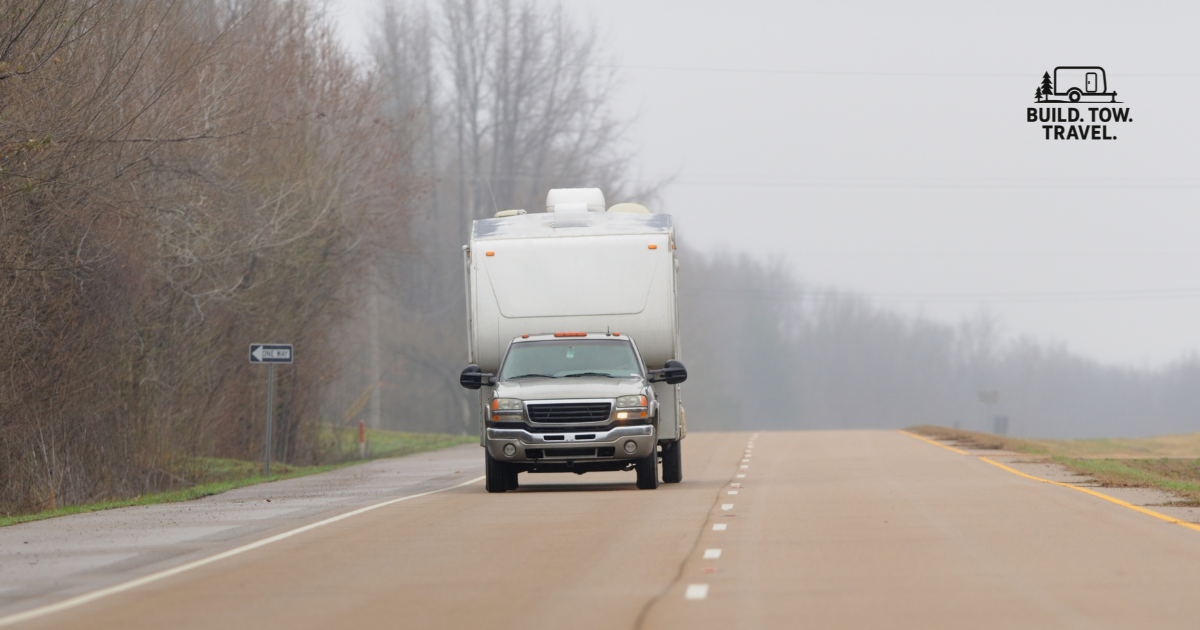
I’ll be honest—towing a trailer in windy conditions can be one of the most nerve-wracking experiences on the road. The first time I felt a gust hit the side of my trailer, I gripped the wheel a little tighter and thought, how do people do this safely? Over time, I learned that with the right preparation, equipment, and driving habits, it doesn’t have to feel overwhelming.
In this post, I’ll walk you through practical tips for towing a trailer in windy conditions, the gear that makes it safer, and lessons I’ve learned firsthand. My goal is to help you feel more confident on the road, not just sell you a list of products.
Understanding the Risks of Wind When Towing
Crosswinds and sudden gusts can cause your trailer to:
- Sway or fishtail, pulling your tow vehicle off line.
- Add stress on your hitch and suspension.
- Reduce your braking stability.
- Increase driver fatigue (because you’re constantly correcting).
Knowing the risks means you can prepare better—and preparation is everything when the weather changes.
My Best Tips for Towing in Windy Conditions
1. Check the Weather Before You Go
This may sound obvious, but I’ve made the mistake of hitting the road without checking wind advisories. If gusts are expected to top 30–40 mph, I strongly recommend delaying travel. Safety always beats sticking to a schedule.
2. Distribute Your Trailer Load Properly
Uneven or tail-heavy trailers are more vulnerable to sway. I always aim to keep about 60% of the weight in the front half of the trailer and make sure heavy items are secured.
👉 A weight distribution hitch with sway control can been a game-changer. It keeps the trailer more stable and reduces those heart-stopping sway moments.
3. Adjust Your Speed
This one is non-negotiable: when the wind picks up, slow down. Even dropping 5–10 mph can make your trailer noticeably more stable. I usually stick to the right lane and let faster traffic pass.
4. Keep a Firm, Relaxed Grip
I used to white-knuckle the steering wheel when gusts hit. Over time, I learned that a firm but relaxed grip lets me respond smoothly instead of jerking the wheel. Small corrections work better than oversteering.
5. Upgrade Your Tow Mirrors
When it’s windy, visibility matters even more. Extended tow mirrors help me watch for sway, traffic, and lane drift without straining.
Recommended Pick: CIPA Clip-On Tow Mirrors.
6. Use Proper Tire Pressure
Both your tow vehicle and trailer tires should be inflated to spec before hitting the road. Underinflated tires make sway worse, while overinflated ones can reduce traction. I keep a DeWalt portable tire inflator in the truck so I can adjust pressure quickly. It can be used for truck and trailer tires, our bicycle tires, and even the guest air mattress or pool floats.
Recommended Pick: DeWalt Tire Inflator and Portable Air Compressor 20V Max
7. Know When to Pull Over
There’s no shame in pulling into a rest stop or parking lot if winds get too strong. I’ve done it plenty of times, and it’s always the right call when safety is on the line.
My Go-To Safety Checklist for Windy Driving
- ✅ Check weather & road advisories.
- ✅ Balance trailer load (60/40 rule).
- ✅ Hitch up with sway control if possible.
- ✅ Verify tire pressure.
- ✅ Reduce speed.
- ✅ Use extended mirrors for visibility.
- ✅ Stay alert—and stop if conditions worsen.
Final Thoughts
Towing a trailer in windy conditions doesn’t have to feel like a gamble. With the right prep, a few key pieces of gear, and smart driving habits, you’ll feel far more in control. Every mile you drive builds confidence, but I can tell you firsthand—those little habits like checking tire pressure, balancing your load, and slowing down make the biggest difference.
If you’re new to towing, take it slow, learn your rig, and don’t be afraid to wait out bad weather. The road will always be there tomorrow.
Safe travels out there—I’ll see you on the road.
👉 See more Trailer Towing Tips and Gear


