
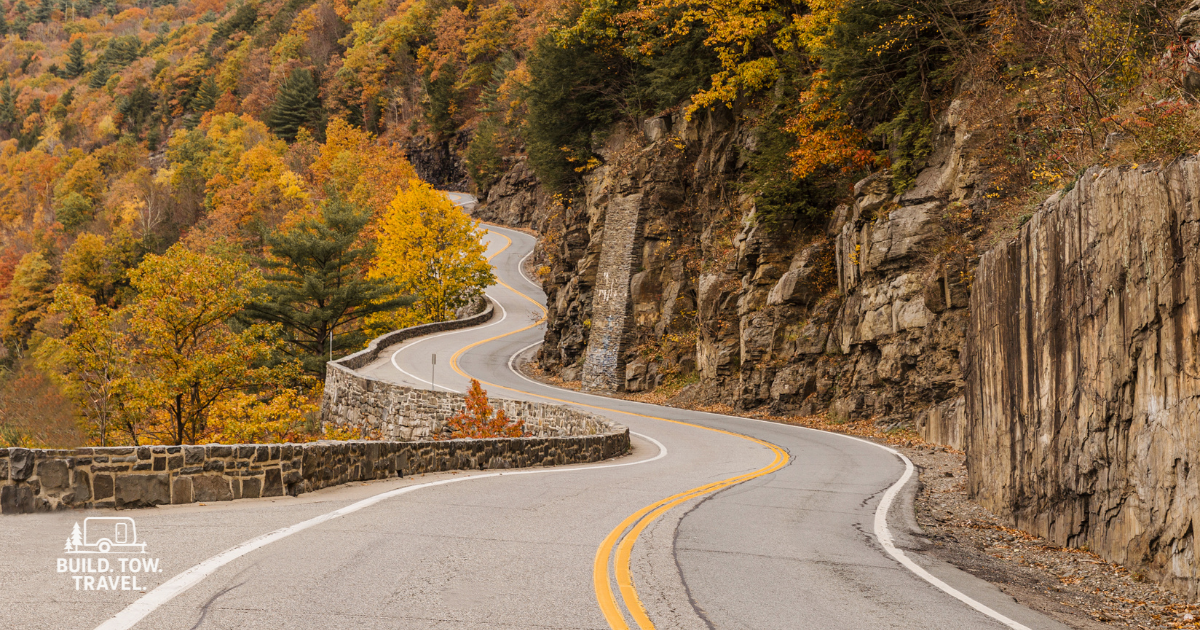
There’s nothing like towing a trailer through the mountains. The views are breathtaking, the roads are adventurous, and the fresh air makes every mile worth it. But as beautiful as it is, mountain towing can also be challenging. Steep grades, tight curves, and sudden weather changes can test both your driving skills and your gear.
Over time, I’ve learned that preparation is the key to stress-free mountain travel with a trailer. In this guide, I’ll share the safety tips I personally rely on when towing in the mountains, along with some recommended gear that’s saved me more than once.
1. Prepare Your Tow Vehicle & Trailer
Before you hit those winding roads, make sure your rig is ready for the climb. I never leave for a mountain trip without checking:
- Check your brakes on both tow vehicle and trailer.
- Inspect tires for proper pressure and tread condition.
- Confirm hitch connections are secure.
- Grease bearings and suspension components if needed.
👉 Recommended Gear:
- Portable Tire Inflator – Stay ready for pressure drops at altitude.
- Trailer Brake Controller – Essential for safe descents on steep grades.
2. Use the Right Gear When Climbing or Descending
Your transmission and brakes are your best friends in the mountains. I’ve found that:
- Downshifting on climbs reduces engine strain.
- Using engine braking on descents keeps brakes from overheating.
- Tow/haul mode (if available) makes a big difference in control.
👉 Recommended Gear:
- OBD2 Monitor – Track transmission temp and performance.
3. Watch Your Speed
It’s tempting to let gravity take over on a downhill, but maintaining control is more important than shaving a few minutes off your drive. I keep a steady, safe speed, always staying below trailer speed limits and leaving plenty of stopping distance. If traffic builds up behind me, I use turnouts to let faster drivers pass.
- Stay below posted truck/trailer speed limits.
- Leave extra stopping distance.
- Use turnouts to let faster traffic pass.
4. Distribute Your Trailer Weight Properly
Trailer sway is no joke on winding mountain roads. Proper weight distribution is one of the most important safety steps I take:
- Keep 60% of weight over the front half of the trailer.
- Avoid excess weight at the rear, which can cause sway.
- Use a weight distribution hitch for balanced towing.
👉 Recommended Gear:
- Weight Distribution Hitch.
- Heavy-Duty Ratchet Straps – Keep gear secured in rough terrain.
5. Be Prepared for Weather Changes
Mountain conditions can shift in minutes. I’ve driven through sun, fog, and rain all in the same afternoon. My rule: always prepare for the unexpected.
- Carry tire chains if traveling through snow-prone areas.
- Use fog lights in low visibility.
- Always have an emergency roadside kit.
👉 Recommended Gear:
6. Practice Defensive Driving
Defensive driving has saved me more than once in the mountains. I brake early, anticipate curves, and stay alert for wildlife. I also keep an eye out for runaway truck ramps—they’re not just for semis, and knowing where they are can make all the difference in an emergency.
- Anticipate turns and brake early.
- Watch for wildlife crossings.
- Be aware of runaway truck ramps and use them if necessary in case of brake failure.
7. Comfort & Safety Add-Ons for Mountain Travel
The right extras can make mountain towing safer and more comfortable:
- Dash Cam – Record your journey and add peace of mind.
- Portable Power Station – Keep electronics charged in remote areas.
- Trailer Jack – Essential for roadside tire changes.
🛠️ Final Mountain Towing Checklist
Before I hit the road, here’s the quick checklist I run through:
✔ Brakes inspected
✔ Tires inflated & chains ready (if needed)
✔ Hitch and safety chains secured
✔ Weight properly distributed
✔ Emergency kit onboard
✔ Driving strategy planned
Towing a trailer in the mountains doesn’t have to be stressful. With the right preparation, gear, and driving mindset, you can enjoy the journey as much as the destination. For me, it’s about finding balance—being cautious while still soaking up those incredible mountain views.
If you’re planning a mountain trip, take the time to prep your rig, pack the essentials, and drive smart. Trust me—you’ll feel more confident, and your passengers (and trailer) will thank you.


