
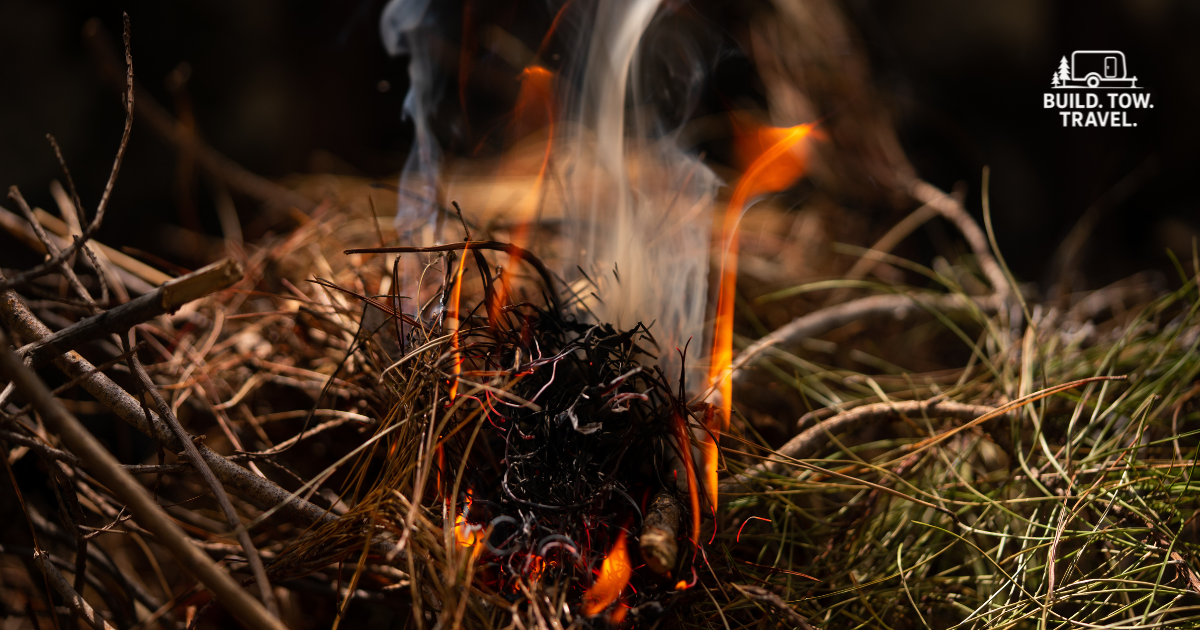
There’s nothing better than ending a long day of towing, hiking, or exploring with a crackling campfire. It’s where stories are shared, coffee stays warm, and chilly nights become cozy. But if you’ve ever struggled to light damp wood or watched your matches fizzle out in the wind, you know how frustrating fire-starting can be.
Over years of camping in everything from desert winds to damp mountain forests, I’ve picked up a few tricks that make lighting a fire almost foolproof. With a little preparation and some clever DIY hacks, you can turn everyday items into powerful fire starters—without spending a fortune.
In this guide, I’ll share 7 easy DIY fire starter hacks that every camper should know, plus a few trusted gear recommendations that make fire building even easier.
Why DIY Fire Starters Are Worth It
If you’ve ever run out of lighter fluid or tried to spark wet kindling, you’ll understand why I always pack my own DIY fire starters. They’re simple, cheap, and incredibly effective.
Here’s why I swear by them:
- Cost-effective: Use common household items instead of expensive store-bought starters.
- Reliable: Burn longer and hotter—even in damp or windy conditions.
- Lightweight: Easy to store in a small container or zip bag.
- Fun to make: Great hands-on project for kids or rainy-day prep.
Before we jump into the hacks, remember to always check local fire regulations before lighting up. The U.S. Forest Service Fire Restrictions Map is a great resource for updated information on safe fire practices.
🔥 7 DIY Fire Starter Hacks Every Camper Should Know
1. Cotton Balls & Petroleum Jelly
A classic for a reason. Coat cotton balls generously with petroleum jelly, store them in a small waterproof container, and light one under your kindling.
They burn hot for several minutes—long enough to dry damp wood and get your fire roaring.
Pro tip: Use a stick or multitool to handle them once lit—they burn surprisingly strong.
2. Dryer Lint + Toilet Paper Rolls
Don’t toss that dryer lint! Stuff it into an empty toilet paper roll and you’ve got an instant, packable fire starter that lights fast. It’s lightweight, free, and one of the easiest ways to reuse household waste.
If you want to make it last longer, seal the ends with melted wax or tape for waterproofing.
3. Wax-Dipped Pinecones
This one’s both functional and fun to make. Collect pinecones, melt down old candle wax, and dip them until fully coated. Once hardened, they’ll burn steadily and smell amazing—like campfire meets cozy cabin.
They also make great gifts for camping friends!
4. Egg Cartons + Wax Shavings
Another camping staple. Cut up a cardboard egg carton, fill each cup with sawdust, dryer lint, or shredded paper, and pour melted wax on top.
Once hardened, tear off one section at a time for an easy, single-use fire starter.
Bonus: Each “cup” burns for several minutes—perfect for lighting logs or larger kindling piles.
5. Hand Sanitizer (Alcohol-Based)
If you’ve got a small bottle of sanitizer, you’ve got a backup fire starter. Just squeeze a bit onto your tinder or cotton and light it up.
The alcohol content makes it flammable—ideal for emergency use when you’re short on materials.
Safety reminder: Use only alcohol-based sanitizer and never apply directly to large flames.
6. Wood Shavings or Pencil Shavings
Keep a small bag of wood shavings in your camping kit. They ignite fast and make excellent tinder. If you’re caught without any, you can shave down dry sticks using a knife or multi-tool.
This method is especially useful when your kindling is damp or cold.
7. Commercial Backup Options
Even with great DIY options, I always carry a backup. Commercial fire starters are compact, weatherproof, and dependable—especially in emergencies.
Smart items to pack:
- Waterproof Matches
- Magnesium Fire Starters
- Portable butane lighter
Having one or two of these in your trailer ensures you’ll never go without a flame, even if conditions turn rough.
👉 A Survival Knife with Firestarter is a great addition to your kit and should be taken along with you on hiking adventures away from your trailer.
Pro Tips for Building a Better Campfire
Even with the best fire starters, technique matters. Here’s what I’ve learned over the years:
- Start small: Begin with tinder, then add kindling, and build up gradually to larger logs.
- Stack smart: The teepee or log cabin style creates better airflow.
- Stay safe: Always build in a designated pit and keep water or sand nearby.
- Store DIY starters properly: Keep them in a sealed, waterproof bag.
- Check regulations: Always verify local fire conditions before starting any campfire.
The National Park Service Fire Safety Guide has excellent advice for responsible campfire building and leave-no-trace practices.
Final Thoughts
Campfires bring people together—it’s where memories are made and the spirit of the outdoors truly comes alive. With these DIY fire starter hacks, you’ll never have to worry about struggling to get your fire going again.
A few minutes of prep at home can save you time and stress at camp—and add a little fun to the process. Combine your homemade starters with a few reliable tools, and you’ll be ready to enjoy warm, worry-free nights wherever the road takes you — whether you’re cooking dinner, keeping warm, or swapping stories under the stars. Be sure to check out Affordable Heating Options for Winter Camping for additional ways to stay warm while winter camping.


