
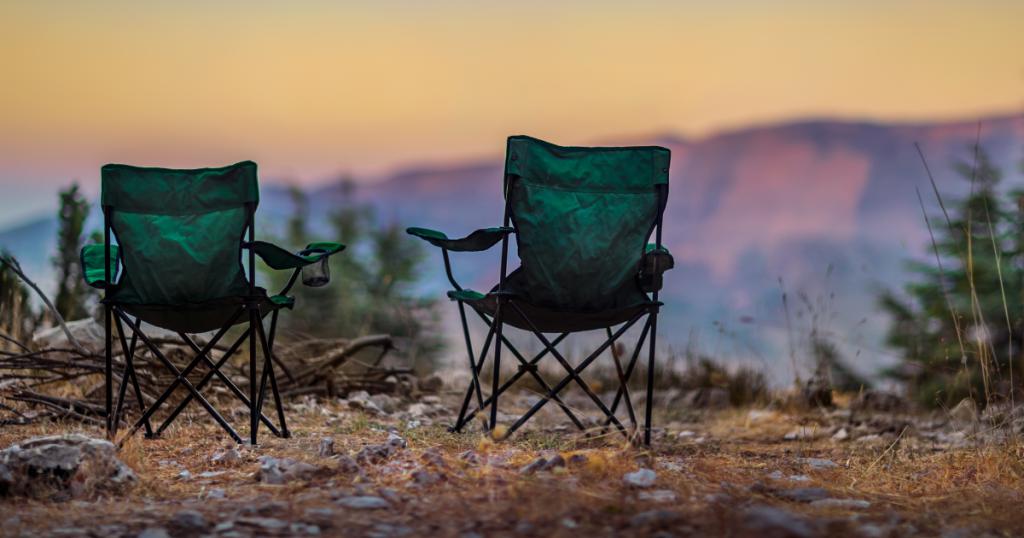
When I first finished my cargo trailer conversion, the very first thing I wanted to do was find the perfect national park to test it out. There’s something magical about waking up to mountain air, stepping outside your tiny trailer home, and sipping coffee surrounded by nature’s best views.
National parks are the heart of American road travel — vast, wild, and full of history. And for cargo trailer campers, they’re a dream come true. Compact, maneuverable trailers can access sites larger rigs can’t, making it easier to explore deeper and camp closer to the action.
In this guide, I’ll walk you through the best National Parks for cargo trailer camping — from Yellowstone’s geothermal wonders to the misty forests of Olympic. You’ll also find planning tips, gear suggestions, and insider advice to make your next trip smooth, safe, and unforgettable.
Why National Parks Are Perfect for Cargo Trailer Camping
After traveling through dozens of parks with my trailer, I can confidently say that national parks were made for compact campers. Here’s why:
- Affordable campsites: Many park campgrounds are budget-friendly compared to private RV parks.
- Size advantage: Cargo trailers fit easily where larger RVs can’t, especially in older campgrounds with length limits.
- Access to nature: Wake up steps away from trails, lakes, and scenic overlooks.
- Boondocking options: Many parks border BLM or National Forest land for free, off-grid camping.
Before your trip, check the National Park Service website for campground maps, trailer length limits, and reservation links.
Now, let’s dive into the parks that stand out for their scenery, trailer accessibility, and unforgettable camping experiences.
Top National Parks for Cargo Trailer Camping
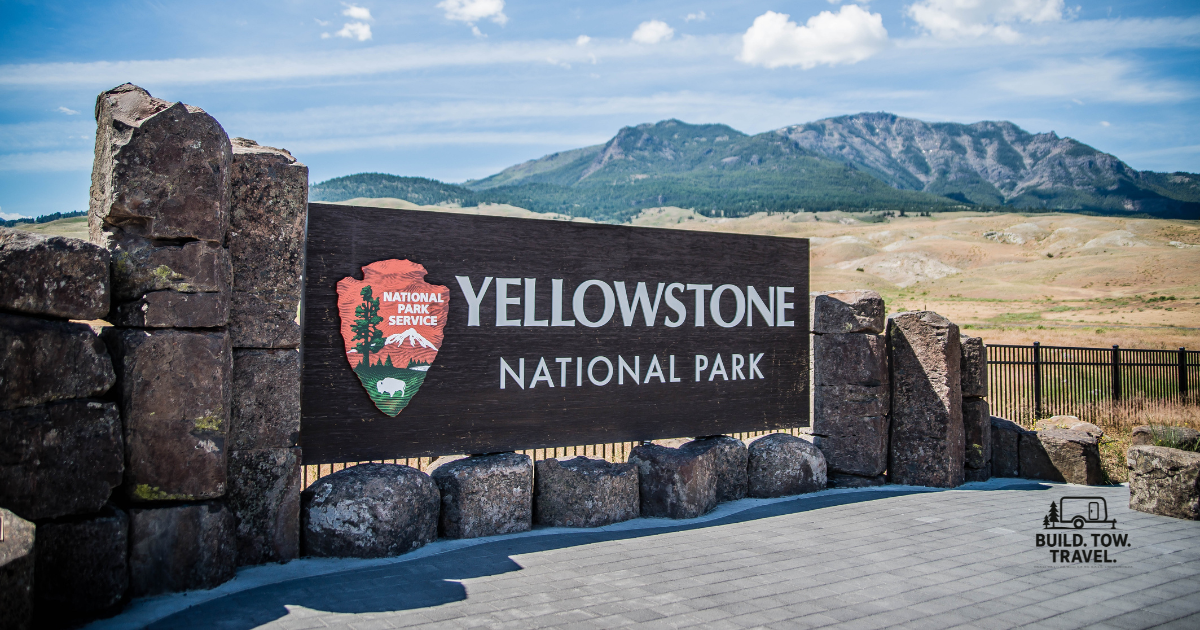
1. Yellowstone National Park (Wyoming, Montana, Idaho)
Yellowstone’s dramatic landscapes—geysers, waterfalls, and wildlife—make it one of the most iconic places to camp.
Why it’s great:
- Multiple campgrounds that welcome small trailers
- Easy access to hiking trails, hot springs, and scenic loops
- Stunning night skies for stargazing
Travel Tip: Bring a map or download offline navigation before entering the park. Cell service is limited, and Google Maps can help you navigate to trailheads and campsites without signal.
- Gear Tip: A Jackery Portable Power Station like this one on Amazon ensures you can power devices while staying off-grid.
2. Grand Canyon National Park (Arizona)
Standing at the rim of the Grand Canyon never gets old. Whether you camp at the South Rim or venture to the quieter North Rim, your cargo trailer gives you flexibility.
Why it’s great:
- South Rim campgrounds offer electric hookups
- North Rim provides a peaceful, secluded experience
- Easy access to scenic drives and sunrise points
Insider Tip: Plan your meals around the views—set up your portable stove near the rim and enjoy dinner with one of the best backdrops in the world.
- Gear Tip: Pack a portable camping stove like this compact two-burner for easy meals with a view.
3. Yosemite National Park (California)
Yosemite’s steep cliffs and dense forests make navigation tricky for big rigs, but cargo trailers are the perfect fit.
Why it’s great:
- Smaller trailer size helps on narrow roads
- Access to waterfalls, granite peaks, and iconic views
- Plenty of first-come, first-served camping spots outside the valley
Safety Note: Bear-proof your food! Use the provided storage lockers or a certified bear-safe cooler.
4. Great Smoky Mountains National Park (Tennessee/North Carolina)
If you love lush forests and scenic mountain drives, this park is paradise. It’s also one of the most accessible national parks for trailer campers.
Why it’s great:
- Multiple campgrounds with trailer-friendly sites
- Incredible foliage in the fall
- Abundant wildlife viewing—especially elk and deer
Pro Tip: Arrive early; Smoky Mountain campgrounds fill fast. Consider booking at Recreation.gov months in advance during peak season.
5. Zion National Park (Utah)
Zion’s towering red cliffs and winding roads are unforgettable. Smaller trailers fit perfectly in the park’s designated camping areas.
Why it’s great:
- Easy access to the shuttle system and main trailheads
- Smaller campgrounds ideal for trailers
- Endless hiking and photography opportunities
Bonus Tip: Bring a portable water filter for hiking days—hydration is essential in the desert heat.
6. Rocky Mountain National Park (Colorado)
High-altitude lakes, wildlife, and alpine trails make RMNP a must-visit destination for cargo trailer campers.
Why it’s great:
- Multiple campgrounds with trailer-sized spots
- Cool summer temperatures
- Access to Trail Ridge Road, one of America’s most scenic drives
Tip: Be prepared for rapidly changing weather—layers are your best friend at altitude.
- Gear Tip: Stay warm with a compact propane heater like this portable model.
7. Olympic National Park (Washington)
Olympic might be one of the most diverse parks in the country, offering everything from snow-capped peaks to coastal beaches.
Why it’s great:
- Variety of camping environments—beach, forest, or mountain
- Abundant wildlife and photo opportunities
- Excellent boondocking options on nearby public lands
Pro Tip: Use a waterproof map to explore the different park zones—rain is common here year-round.
- Gear Tip: A camp kitchen set like this nesting cookware kit saves space and makes meals easy.
Tips for Camping in National Parks with a Cargo Trailer
- Reserve early. Many popular national park campgrounds book up months in advance.
- Know trailer length limits. Check park websites for restrictions (some are 20–25 feet max).
- Prepare for off-grid camping. Not all campgrounds have hookups—bring a solar panel kit like this one.
- Stay organized. Space is limited, so use stackable storage bins like these to maximize efficiency.
- Practice Leave No Trace. Respect nature and pack out what you bring in.
Final Thoughts
Camping in national parks with a cargo trailer is the perfect blend of comfort and adventure. Your setup is compact enough for scenic roads yet cozy enough to feel like home wherever you park.
From the geysers of Yellowstone to the misty cliffs of Olympic, these parks showcase the best of America’s landscapes. Take your time exploring, respect the land, and enjoy the freedom of life on wheels.
The open road is waiting—so grab your map, pack your gear, and let’s build, tow, and travel together.
Helpful Resources
For route planning, campsite reservations, and park safety information, check these trusted resources:
- National Parks Conservation Association – Official info on campsites and size limits.
- Recreation.gov – Book national park and federal land campgrounds.
- Leave No Trace Center – Tips for sustainable camping practices.


