
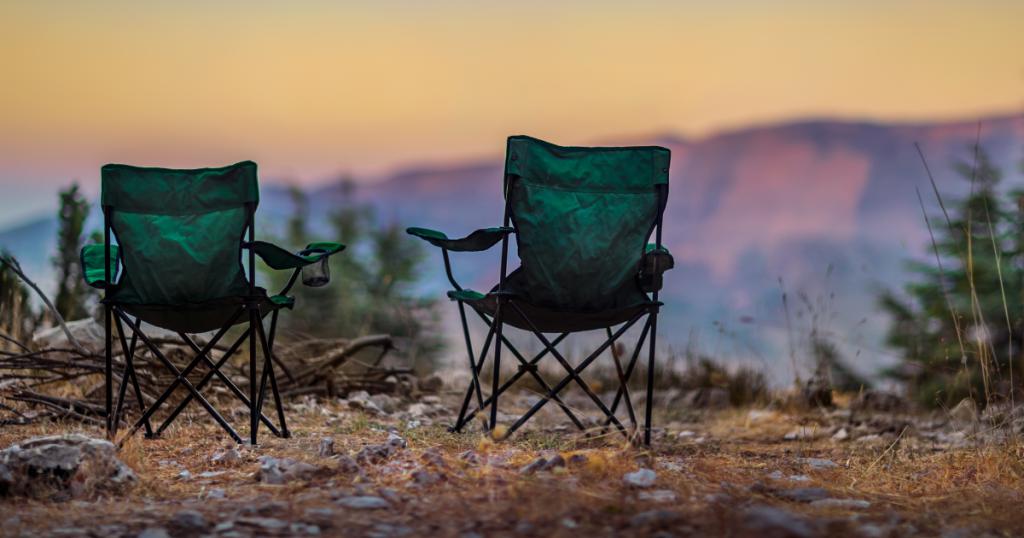
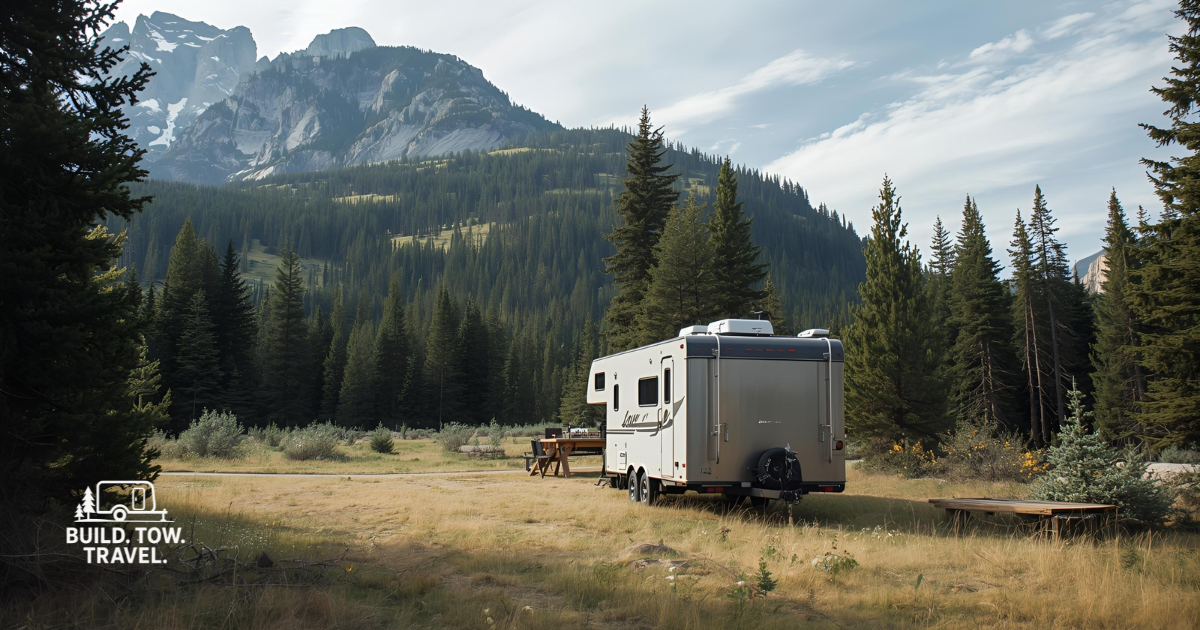
Boondocking, or dry camping, is one of the best ways to experience nature while saving money on overnight stays. Whether you’re traveling in a cargo trailer, RV, or van, finding free boondocking spots can make your road trips more adventurous and budget-friendly. In this guide, we’ll walk you through the best ways to locate these hidden gems, the essential tools you’ll need, and tips for a safe and enjoyable boondocking experience.
What is Boondocking?
Boondocking refers to camping without hookups, often on public lands, Bureau of Land Management (BLM) areas, or remote locations. These spots usually have no water, electricity, or sewer connections, so you’ll need to be self-sufficient. Free boondocking offers the freedom to explore off-the-beaten-path destinations while connecting with nature.
1. Use Online Boondocking Maps and Apps
Several online platforms help campers find free or low-cost boondocking sites:
- FreeCampsites.net – Comprehensive database of free camping locations across the U.S.
- Campendium – User reviews, photos, and amenities for dispersed camping sites.
- iOverlander – Global boondocking locations with GPS coordinates and reviews.
- AllStays Free & Low-Cost Camping App – Search for free camping spots and public lands.
💡 Tip: Always check the most recent reviews for current road conditions, accessibility, and safety.
2. Explore Bureau of Land Management (BLM) and National Forest Lands
BLM lands and National Forests are excellent places to find free boondocking spots. Some key tips:
- Research the area beforehand to know the rules and regulations.
- Look for designated dispersed camping zones; some require a permit.
- Respect fire bans, wildlife, and Leave No Trace principles.
🌲 Pro Tip: Avoid overused areas by exploring less popular trails and roads; you’ll enjoy more privacy and tranquility.
3. Ask Local Campgrounds and Visitor Centers
Sometimes, local knowledge is the best way to discover boondocking spots:
- Ask rangers or staff at National Forest or state park offices.
- Join online Facebook groups or forums dedicated to boondocking and RV travel.
- Look for small gravel pull-offs, rest areas, or wide shoulders on rural roads where overnight parking is allowed.
4. Prepare for Off-Grid Living
Boondocking requires self-sufficiency. Essential gear includes:
- Portable water tanks and water filters
- Solar panels or portable generators
- Composting or portable toilets
- Camping stoves or propane cooktops
- Warm bedding and weather-appropriate gear
👉 Tip: Check out these 10 Smart Hacks for Off-Grid Trailer Living.
👉 Fall Camping Checklist: What to Pack for Cool Nights
5. Safety Tips for Boondocking
Staying safe is crucial when camping off-grid:
- Let someone know your location and expected return time.
- Avoid camping too close to roads or steep drops.
- Carry a first aid kit, fire extinguisher, and reliable communication device.
- Respect local regulations and wildlife to avoid fines or hazards.
6. Be a Responsible Boondocker
Boondocking relies on respecting nature and fellow campers. Follow these guidelines:
- Pack out all trash and recyclables.
- Keep noise levels low, especially at night.
- Use biodegradable soaps and avoid polluting water sources.
- Stay only a few nights in one spot to allow the land to recover.
Final Thoughts
Finding free boondocking spots allows travelers to experience the freedom of the open road without breaking the bank. With the right tools, planning, and respect for nature, you can enjoy unforgettable adventures in remote landscapes. Whether it’s a quiet mountain forest, a desert vista, or a lakeside retreat, boondocking opens up endless possibilities for trailer campers and RV enthusiasts.
Start planning your next off-grid adventure today—and check out our recommended boondocking gear and tips to make your trip safe, comfortable, and memorable!


